
Double Walled Glasses

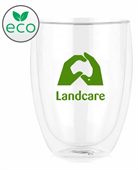
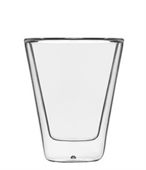
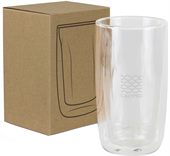
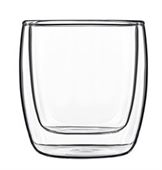
Double walled glasses are a specific category within promotional and branded drinkware, and choosing the right style involves more decisions than it might initially appear. Construction, capacity, handle configuration, shape and branding method all interact — and the wrong combination can affect how the glass performs in use, how the branding reads on the finished product, and whether the glass is appropriate for its intended context. This guide covers the full range available and what to consider at each stage of the selection process.
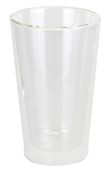
The double wall construction uses two concentric layers of borosilicate glass with a sealed air gap between them. The air gap is the functional element — it insulates the contents from the ambient temperature outside the glass and prevents thermal transfer in either direction. Hot drinks stay at temperature; cold drinks stay cool; the outside surface of the glass stays comfortable to hold in both cases. There's no condensation on the exterior because the outer glass never reaches the dew point of the surrounding air. The inner chamber also appears to float visually within the outer layer, which is an inherent feature of the construction rather than a decorative addition. Borosilicate glass is used rather than standard glass because of its resistance to thermal shock — it can transition between hot and cold contents without the stress cracking that would occur in conventional soda-lime glass.
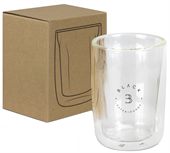
The range divides into several distinct style groups. Espresso glasses are the smallest and are designed specifically for short coffee serves and concentrated beverages where the visual presentation of a small pour within the floating inner chamber is part of the appeal. Coffee cups with handles suit front-of-house café use and office settings — the handle makes them intuitive to use with hot drinks and positions them as a conventional cup rather than a novelty item. Non-handled tumblers carry a more contemporary, versatile profile that works across hot and cold applications and tends to suit gifting and premium promotional use. Larger capacity glasses cover beer, cocktails, iced coffee and cold brew, with some styles shaped specifically to reference the beverage they're designed for — a beer bottle silhouette being the clearest example. Novelty and specialty shapes — barrel mugs, heart cups, hourglass bodice forms, and bear designs — exist for campaigns and events where a distinctive visual is part of the brief. Individual kraft gift boxing is available across a number of styles, which is relevant when the glass is being used in a gifting or retail context rather than a bulk event giveaway.
Branding method selection should follow the style and use context. Laser engraving etches the design permanently into the glass surface — it's the most durable method, has no ink to fade or chip, and produces a refined result that's appropriate for executive gifts and premium corporate branding. It works best on clear glass where the etched design catches light and reads well against the liquid inside. Full colour digital print reproduces complex, multicolour artwork accurately and is the right choice when colour fidelity is important — logo colour matching, gradient artwork, or illustrative designs that would lose detail under engraving. Screen print is suited to straightforward designs and is commonly used for volume event orders where a clean, direct logo application is sufficient. A digital sleeve on the gift box is available for select styles, which extends the branded footprint to the packaging and is worth considering when the glass will be received as a gift rather than handed out at an event.
Helpful Answers
What is the practical difference between handled and non-handled double walled styles?
A handle makes a glass easier to hold with hot drinks because it removes direct contact with the outer glass surface entirely — though the double wall construction already keeps the exterior cool enough to hold. In practice, handled styles feel more like conventional cups and are a more intuitive choice in café and office settings for hot beverages. Non-handled tumblers are more versatile across hot and cold applications and tend to be the preferred form for cold drinks, gifting, and contemporary promotional use. The choice depends primarily on use context and the impression the glass needs to make in the hands of the recipient.
How does capacity affect which style is appropriate?
Capacity determines what the glass can reasonably be used for in everyday settings. Small espresso-sized glasses are purpose-built for short serves — their proportion is suited to the volume and visual presentation of a concentrated pour. Mid-range sizes cover the standard café drink range. Larger sizes move into territory shared with cocktail glasses, beer glasses and cold brew serve ware. Selecting a capacity that matches the primary intended use is important — a small glass issued as a general-purpose giveaway may feel impractical to the recipient, while an oversized glass for a coffee-focused campaign misses the connection between the product and its context.
Is laser engraving or digital print better for a corporate gift programme?
Laser engraving is generally the preferred method for corporate gifting because the result is permanent, has a refined aesthetic, and does not require ongoing consideration of colour accuracy. It ages well and maintains its appearance regardless of how often the glass is washed. Digital print is better suited to situations where the brand identity requires colour accuracy that engraving can't deliver, or where the artwork is too complex or detailed to translate well into an etched format. Both are appropriate for gifting contexts — the right choice depends on the artwork and the impression the gift is intended to make.
What should buyers consider when selecting a novelty shaped glass?
Novelty shapes work best when there's a clear connection between the form and the context of use. A beer bottle silhouette makes sense for a brewing brand, a hospitality event or an Oktoberfest-style activation. A heart form suits Valentine's or gifting campaigns. A barrel shape references whisky and spirits culture. Where the connection is clear, the shape reinforces the campaign message. Where it isn't, the glass can feel arbitrary. Novelty styles also tend to command attention on a table or a shelf, which is worth factoring in if the glass will be used in a hospitality or retail setting rather than handed out individually.
Why do double walled glasses not leave condensation rings on surfaces?
Condensation forms on a glass surface when the exterior temperature drops below the dew point of the surrounding air — the point at which moisture in the air begins to condense onto the cool surface. Because the outer glass of a double walled design is insulated from the cold contents inside, it stays close to ambient room temperature. That means it never reaches the dew point, so no condensation forms. This is practical in hospitality settings because it removes the need for coasters, and it protects surfaces in corporate and office gifting contexts where the glass will be used on desks and meeting room tables.